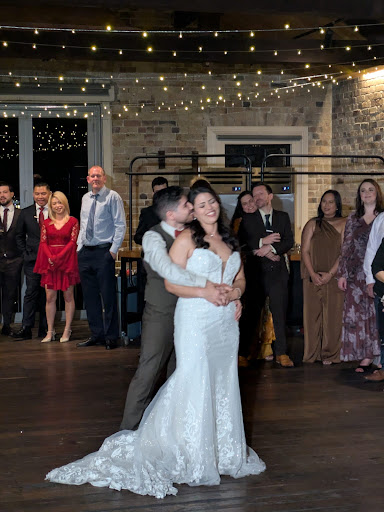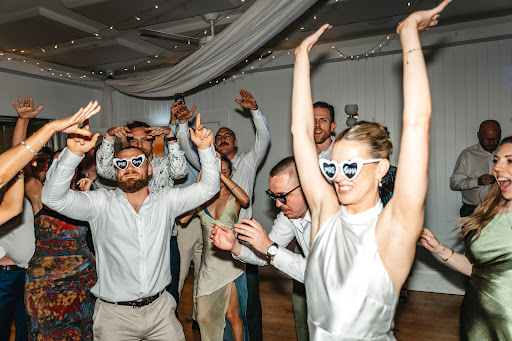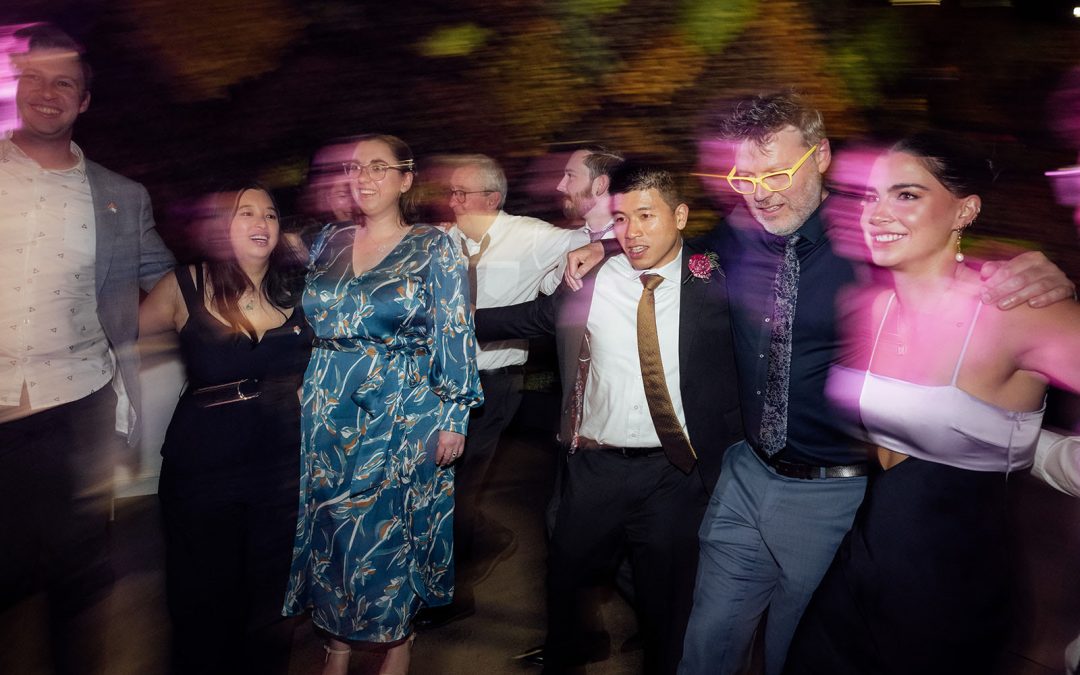
Australia is one of the most culturally diverse countries in the world, and modern weddings reflect that beautifully. Many couples today come from different cultural backgrounds, or are bringing together families with distinct traditions, expectations and musical preferences. When done thoughtfully, multicultural weddings are deeply meaningful, joyful and unforgettable. When rushed or poorly planned, they can feel disjointed, confusing, or unintentionally exclusionary.
Music plays a central role in this balance. It signals respect. It guides transitions. It brings people together — sometimes across language and generational divides. And at the same time, it keeps the celebration moving.
At Impression DJs, we’ve supported countless multicultural weddings across Sydney, the Central Coast, Hunter Valley and surrounding regions. What we’ve learned is that successful multicultural weddings are not about “trying to please everyone at once”. They’re about structure, intention and communication — with music used as the connective tissue that holds the day together.
This guide is designed to help couples understand how to plan a multicultural wedding reception that honours tradition, respects family expectations, and still delivers a vibrant, unified celebration.
Why Multicultural Weddings Require a Different Approach
Every wedding is personal, but multicultural weddings add additional layers of complexity that deserve careful attention. These can include:
- Multiple cultural or religious traditions
- Different expectations around ceremony structure
- Language barriers among guests
- Generational differences in music and celebration styles
- Family sensitivities around timing, volume or content
None of these are problems — but they do require planning. What works for a single‑tradition wedding may not translate seamlessly to a multicultural celebration.
A professional DJ approaches multicultural weddings with the understanding that music is not just entertainment. It’s a form of communication.
Setting the Right Tone Starts Long Before the Wedding Day
A common misunderstanding when planning a multicultural wedding is assuming cultural music can simply be added into the reception without much context or preparation. In reality, the most successful celebrations usually begin with open conversations early in the planning process, allowing the music and traditions to flow naturally throughout the night.
This includes discussing:
- Which traditions must be honoured formally
- Which music styles are culturally significant
- Whether there are any “must‑play” or “do‑not‑play” requests
- How different family groups typically celebrate
At Impression DJs, we place strong emphasis on pre‑event consultations so that music choices are intentional, respectful and well‑timed — not improvised on the night.
Structuring the Reception: The Key to Balance
Rather than blending all cultures and music styles together randomly, many multicultural weddings succeed by structuring the reception into clear phases. This provides clarity for guests and allows each tradition to be honoured properly.
Phase 1: Formal & Family‑Focused Moments
This part of the evening may include:
- Cultural entrances or rituals
- Traditional dances
- Formal acknowledgements
- Music that speaks directly to parents, elders or extended family
These moments are often deeply meaningful and deserve full attention. Playing them early in the reception ensures:
- Key family members are present and engaged
- Traditions are not rushed
- The atmosphere remains respectful and focused
Phase 2: Shared Celebration
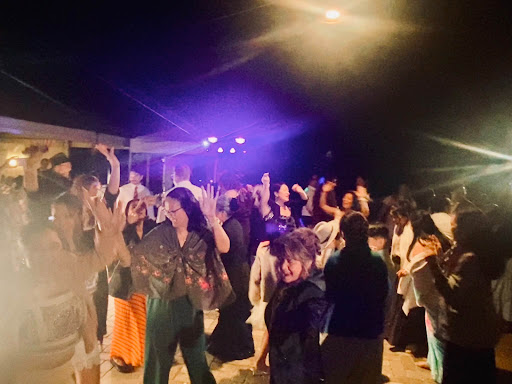
Once formalities are complete, the reception can naturally transition into a more open, inclusive celebration. This is where music begins to blend styles and generations, creating common ground on the dancefloor.
A skilled DJ uses this phase to:
- Introduce familiar crossover tracks
- Gradually lift energy
- Encourage interaction between guest groups
Phase 3: Open Dancefloor
This is where the celebration fully opens up. At this point, guests are more relaxed, and the focus shifts to collective enjoyment rather than tradition‑specific moments.
Blending Music Styles Without Losing Momentum
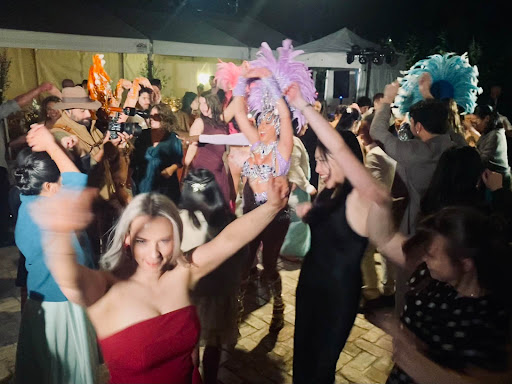
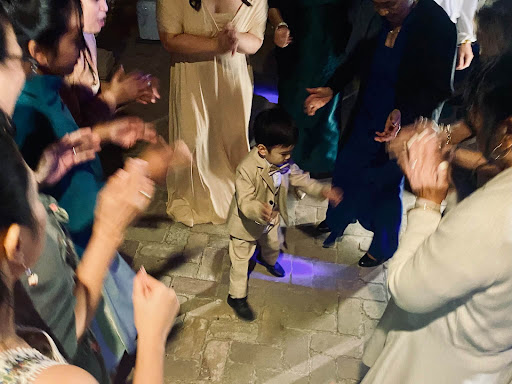
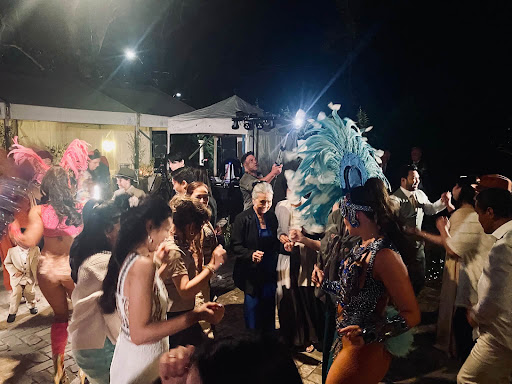
One of the biggest questions couples ask is: “How do we include cultural music without clearing the dancefloor?” From a DJ’s perspective, it’s all about timing, energy, and reading the room. Many cultural weddings, for example, kick off with a short, high-energy dance bracket of 10 to 15 minutes, often tied in with the bridal party entrance. Layering this with live elements—drummers, a saxophonist, or other performers—creates a dynamic, celebratory moment that naturally draws guests in. From there, a skilled DJ will blend seamlessly between cultural tracks and crowd favourites, feeling out the energy and adjusting in real time, so the dancefloor stays lively while honoring every tradition. Done right, cultural music becomes a highlight, not a pause, of the night.
Timing Matters More Than Genre
Cultural tracks played during the right phase of the night are far more effective than trying to force them into peak dancefloor moments. When guests understand that a particular song or dance has cultural significance, they’re more likely to engage — even if it’s unfamiliar.
Transitions Should Feel Natural
Rather than abrupt switches between vastly different styles, professional DJs create musical bridges. This might include:
- Gradually shifting tempo
- Using rhythm or instrumentation as a link
- Pairing traditional tracks with modern remixes (where appropriate)
The goal is continuity — not contrast for its own sake.
In reality, the most successful multicultural weddings usually begin with open conversations early in the planning process. This allows time to understand the significance of certain songs, traditions, and cultural moments, and to consider how they can be woven naturally into the evening rather than feeling like separate segments.
By discussing these elements in advance, couples and their DJ or MC can plan the right timing, transitions, and atmosphere for each moment. This might include introducing certain traditions, blending different musical styles throughout the night, or ensuring guests understand the significance of what’s taking place.
At the same time, it’s equally important for the DJ to read the room on the night. Even with careful planning, the energy of the dancefloor can shift, and an experienced DJ will adjust the music accordingly — balancing cultural selections with what’s working best for the crowd in the moment. Reading the audience and responding to the vibe of the room helps ensure the celebration feels natural, inclusive, and full of energy.
When preparation and real-time crowd awareness come together, the result is a reception where cultures, families, and musical styles blend seamlessly — creating a celebration that feels meaningful, engaging, and memorable for everyone on the dancefloor.
Generational Differences: Planning for Parents, Elders and Younger Guests
Many multicultural weddings bring together three or even four generations, each with different ideas of what a “good party” looks like.
Older family members may prioritise:
- Traditional or nostalgic music
- Lower volume
- Clear structure and formality
Younger guests may expect:
- Contemporary tracks
- Higher energy
- A later‑night party atmosphere
The solution is not compromise — it’s sequencing.
By placing traditional and family‑focused music earlier in the reception, couples ensure elders feel honoured and involved. As the night progresses, the atmosphere can naturally evolve to suit younger guests without causing discomfort.
Language and MC Support: Guiding Guests with Confidence
In multicultural weddings, language plays an important role. Not all guests may understand announcements or cues unless they’re delivered clearly and thoughtfully.
Professional MC support can:
- Explain transitions or rituals briefly and respectfully
- Guide guests through unfamiliar moments
- Keep the event flowing without awkward pauses
At Impression DJs, some of our DJs are also experienced MCs, allowing the music and announcements to work together seamlessly rather than feeling separate or disconnected. Where needed, we can also recommend experienced bilingual MCs to help ensure every guest feels included and that key moments are communicated clearly for everyone.
👉 Learn more about our wedding DJ & MC services: https://impressiondjs.com.au/wedding-dj/
Managing Requests Without Losing Control of the Night
Multicultural weddings often generate more song requests than usual — from family members, friends and guests keen to hear something meaningful.
A professional DJ manages requests carefully by:
- Keeping the couple’s wishes and vision at the centre of every decision.
- Timing requests appropriately
- Avoiding music that disrupts the planned flow
This ensures the celebration remains cohesive rather than reactive.
Common Multicultural Wedding Pitfalls (and How to Avoid Them)
Some challenges we see may include:
- Leaving Cultural Music Too Late
By the time late‑night dancing begins, older guests may have already left. Cultural moments deserve to happen when key family members are present.
- Trying to Blend Everything at Once
Without structure, the reception can feel confusing. Clear phases prevent this.
- Not Communicating Expectations
Assumptions lead to disappointment. Clear planning conversations prevent misunderstandings.
Case Insight: Why Experience Matters
At Impression DJs, we’ve worked with couples where:
- Families spoke different primary languages
- Cultural dances were unfamiliar to part of the guest list
- Expectations around volume and timing may vary
In each case, success came from preparation, structure and calm execution on the night. Experience allows a DJ to read not just the dancefloor, but the room as a whole.
Planning Checklist for Multicultural Weddings
When planning your reception, consider the following:
Cultural Considerations
- Which traditions must be included?
- Are there any restrictions or sensitivities?
- Who needs to be present for key moments?
Music Planning
- What music represents each culture?
- Which tracks are symbolic vs. purely celebratory?
- Are modern interpretations appropriate?
Structure & Timing
- When will cultural moments occur?
- When does the open dancefloor begin?
- How will transitions be communicated?
MC & Communication
- Are announcements required in more than one language?
- Who will guide guests through unfamiliar moments?
Multicultural Weddings Done Well Feel Effortless — But They’re Never Accidental
The most memorable multicultural weddings don’t feel complicated. They feel considered. Guests understand what’s happening. Families feel respected. And when the dancefloor opens, people from different backgrounds celebrate together — not separately.
That outcome doesn’t come from luck. It comes from experience, planning and a clear understanding of how music shapes emotion.
At Impression DJs, we take pride in supporting multicultural weddings with sensitivity, structure and professionalism, ensuring your celebration feels inclusive, joyful and genuinely reflective of who you are as a couple.
👉 Explore our approach to wedding entertainment here: https://impressiondjs.com.au/wedding-dj/
Image credit: By Kevin, link https://bykevin.com.au/