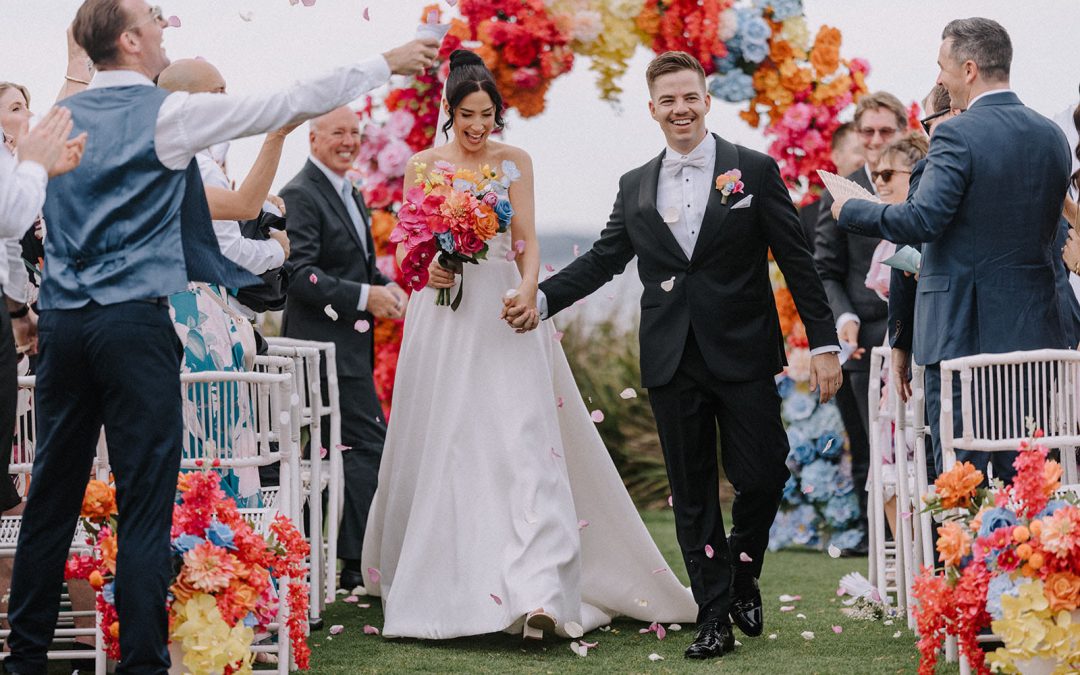
Outdoor wedding ceremonies are popular across Australia for a reason: natural light, beautiful backdrops, and a sense of occasion that’s hard to replicate indoors. Whether you’re exchanging vows on a beach, in a garden, at a vineyard, or on a coastal lawn, the setting can feel truly unforgettable.
But outdoor ceremonies also come with a reality many couples don’t think about until the day: sound behaves very differently outside. There are no walls to help carry voices. Wind can interfere with microphones. Guests sit at varying distances. And venue conditions can change quickly.
The good news is that outdoor ceremony audio doesn’t need to be stressful — not when it’s planned properly. This guide is designed to help couples (and planners) understand what matters most for a seamless outdoor ceremony: clarity, coverage, timing, and contingencies.
At Impression DJs, we regularly support weddings where the ceremony and reception happen at the same venue, and can provide ceremony music and the equipment required to suit the space. Many of our DJs also provide professional MC services (where requested), helping the day flow smoothly from ceremony through reception.
Table of Contents
- Why outdoor ceremony sound is harder than it looks
- The four “make-or-break” goals for ceremony audio
- Microphones: what couples should understand
- Speaker placement, coverage and guest comfort
- The run sheet: cues that prevent awkward moments
- Wind, waves, crowds and wildlife: managing real-world noise
- Plan B that doesn’t feel like Plan B
- Working with celebrants, venues and planners
- Ceremony-to-reception transitions (especially at the same venue)
- A practical ceremony sound checklist
- FAQ: common outdoor ceremony questions
- Next steps: how to get your ceremony sounding right
1) Why Outdoor Ceremony Sound Is Harder Than It Looks
Indoors, rooms naturally reinforce sound. Even a simple speaking voice benefits from walls, ceilings and reflective surfaces. Outdoors, sound disperses — it travels outward and upward without the same reinforcement. That means:
- Guests at the back may miss words even if the front row hears everything.
- A light breeze can alter microphone quality, especially for quiet voices or emotional moments.
- Ambient noise becomes more noticeable: water, traffic, birds, wind in trees, nearby events.
What couples often want is simple: “Everyone should hear the vows clearly.” And that’s absolutely achievable — it just requires treating outdoor ceremony audio as a planned element, not a last-minute add-on.
2) The Four “Make-or-Break” Goals for Outdoor Ceremony Audio
When ceremony sound is planned professionally, it’s not just “louder.” It’s clearer, more balanced, and more controlled. A strong outdoor ceremony setup aims for four outcomes:
Goal A: Every guest can hear key speaking moments
This includes:
- The officiant/celebrant
- The couple’s vows (if spoken aloud)
- Readings
- Any announcements or instructions
Goal B: Music feels intentional and personalised
Outdoor settings can make music sound thin or distant. A proper setup ensures:
- Processional music hits at the right moment, at the right volume
- Signing/transition music feels smooth
- Recessional music lands with energy
Goal C: The setup looks tidy and appropriate for a wedding
Outdoor ceremony audio can be done discreetly, without cluttering the visual space.
Goal D: There’s a contingency plan ready before you need it
The best Plan B is the one you don’t have to think about.
3) Microphones: What Couples Should Understand (Without Getting Technical)
Most ceremony sound problems aren’t caused by “bad gear.” They’re caused by mismatched expectations or incorrect use. You don’t need to know brands and specs — you just need to understand what microphones are meant to do:
A) The celebrant microphone is essential
Even if the celebrant “speaks loudly,” the outdoors doesn’t help carry their voice. A microphone ensures consistent clarity across the guest seating area.
B) Vows need a plan (even if you don’t think they do)
Some couples assume guests only need to hear the celebrant — but vows are often the emotional centre of the ceremony. If vows matter to you, plan for them.
If you’re soft-spoken, emotional, or likely to turn away while speaking, a professional approach matters.
C) Readings need a microphone strategy
Readings are often quieter than people expect. A reader may be nervous, holding paper close to their face, or speaking downward. Planning prevents the “everyone strains to hear” moment.
D) Wind and outdoor conditions matter
Microphones can pick up wind and handling noise. Outdoor ceremony audio should consider:
- Where wind is likely to hit
- How to keep microphones steady and positioned well
- How to avoid “rustling” or accidental bumps
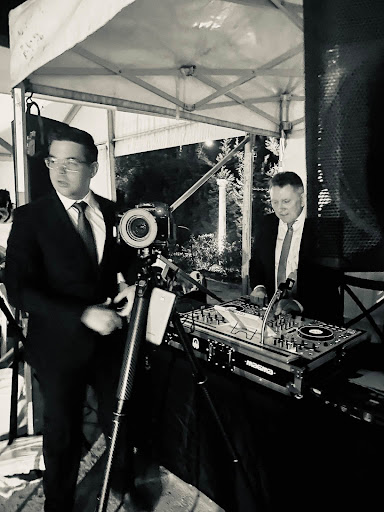
At Impression DJs, we commonly provide professional cordless microphone solutions as part of event setups, supporting speeches and formalities.
4) Speaker Placement, Coverage and Guest Comfort
Outdoor ceremony speakers are not about creating a concert. They’re about even coverage, so guests in every row hear comfortably without anyone feeling blasted in the front.
Key principles (in plain terms):
Even coverage beats “turning it up”
A single speaker turned up high can create:
- Too much volume in the front
- Not enough clarity in the back
Balanced placement aims to make the sound feel natural.
Distance changes everything
In many outdoor ceremony layouts, the back row might be significantly farther from the speaking area than indoors. Planning for that distance is what protects your vows from being lost.
The aesthetic matters too
Outdoor weddings are visually curated. Audio equipment should be positioned thoughtfully so it doesn’t distract from the setting.
5) The Run Sheet: Cues That Prevent Awkward Moments
The smoothest ceremonies are not the ones with the most complex music — they’re the ones where cues happen cleanly, without hesitation.
A typical outdoor ceremony includes key audio moments:
Pre-ceremony arrival music
Sets the mood while guests find seats. It should be present but not overpowering.
Processional cues
This is where timing matters most. Processional music usually has multiple moments:
- Groom/partner entry (optional)
- Bridal party entry
- Bride/partner entry
- A pause or transition at the front
Even if your processional is one song, planning the “start moment” prevents awkward delays.
Signing music (or transition music)
If you’re signing documents or doing a brief ritual, music keeps the atmosphere warm while everyone waits.
Recessional cue
This should feel celebratory, and it should start at the correct moment — not late, not early.
Post-ceremony “exit / mingle” music
This helps the mood stay elevated as guests congratulate the couple, take photos, or move to cocktail hour.
Impression DJs works with couples in advance via consultations and planning processes to ensure the music brief and timing align with your day.
6) Managing Real-World Outdoor Noise (Wind, Waves, Crowds and Wildlife)
Australia’s outdoor settings are beautiful — and they can be noisy in ways you can’t control.
Here are common outdoor noise sources and how planning helps:
Wind
Even a gentle breeze can affect microphone clarity. Sound planning includes:
- positioning that reduces direct wind contact
- stabilising mic handling and placement
- maintaining consistent volume without distortion
Water
Beach and waterfront ceremonies can have constant ambient sound (waves, wind, people nearby). The solution is rarely “louder” — it’s clearer speech reinforcement and better coverage.
Traffic and city noise
Outdoor courtyards and rooftop venues may experience intermittent traffic sound. Good sound planning ensures the ceremony remains intelligible even when background noise fluctuates.
Guests and movement
Late arrivals, small children, or casual chatter during seating can create background noise. Gentle pre-ceremony music and clear guidance can help guests settle.
7) Plan B That Doesn’t Feel Like Plan B
A common concern is: “What if it rains?” In Australia, weather can change quickly — even on a sunny day.
A strong Plan B is not “we’ll figure it out.” It’s a defined alternative that still feels intentional. Plan B planning can include:
- A covered space option (veranda, marquee edge, indoor backup room)
- Adjusted speaker positioning for a tighter footprint
- A revised processional pathway that still feels meaningful
- A shortened “reset” window so guests aren’t left waiting
The key is decision clarity: who calls the switch, and when? When everyone knows the trigger point, Plan B becomes calm and controlled rather than chaotic.
8) Working with Celebrants, Venues and Planners
Outdoor ceremonies run smoothly when your key vendors are aligned.
Why Booking a Marriage Celebrant with a Professional Portable Speaker & Microphone Matters
When it comes to weddings, every detail counts—especially the sound. A marriage celebrant might be experienced and engaging, but without the right equipment, even the most heartfelt words can be lost to background noise or a large venue. This is where a professional portable speaker and microphone make all the difference.
- Ensures Every Word is Heard
Vows, readings, and announcements are the emotional heart of the ceremony. A high-quality speaker and microphone system guarantees that every guest, near or far, can hear the celebrant clearly. No mumbling or shouting—just crystal-clear audio that captures every moment. - Maintains Ceremony Atmosphere
Poor sound can distract guests and disrupt the flow of the ceremony. A professional setup blends seamlessly into the environment, supporting the intimacy and emotion of the moment without being intrusive. - Reduces Stress for Everyone
Couples, guests, and even the celebrant can relax knowing the audio is handled professionally. This removes last-minute worries about whether everyone will hear the vows, readings, or instructions—helping the ceremony run smoothly. - Supports Outdoor and Large Venues
Outdoor weddings or large spaces present unique challenges: wind, distance, and ambient noise can easily drown out voices. A professional portable speaker with a quality microphone ensures that every word reaches the audience, no matter the location. - Works Seamlessly with DJs and Music
A celebrant with their own professional audio setup integrates effortlessly with the DJ’s equipment. This allows for smooth transitions between music and spoken elements, keeping the ceremony and reception flowing naturally.
In short, hiring a celebrant equipped with professional audio isn’t just a luxury—it’s a must for ensuring your ceremony is heard, felt, and remembered by everyone present. Clear sound transforms a beautiful moment into an unforgettable experience.
Your venue
Venues often have rules about:
- power access
- speaker placement
- noise restrictions
- nearby ceremonies
Knowing these early helps prevent last-minute rearrangements.
Your planner/coordinator
If you have a planner, they often manage the ceremony cue points (timing, entries, movement). Aligning the music and mic plan with their run sheet is where everything comes together.
9) Ceremony-to-Reception Transitions (Especially at the Same Venue)
Many couples choose venues where the ceremony and reception are in the same location — which can be ideal for guest comfort and logistics.
Impression DJs notes that if your wedding ceremony is held at the same venue as your reception, their DJs can provide the music for your ceremony and supply the equipment required to suit your chosen venue.
This continuity can reduce risk because:
- setup is streamlined
- there’s less equipment movement mid-day
- timing between ceremony and reception feels seamless
If you’re planning ceremony + reception at one venue, the goal is a smooth handoff:
- ceremony ends
- guests move to canapés/cocktail hour
- background music continues without awkward silence
- reception formalities later begin with a confident energy lift
10) Outdoor Ceremony Sound Checklist (Practical and Printable)
Use this checklist when planning (or when speaking with your venue/DJ):
Layout & Environment
- Where is the ceremony space located (open lawn, beach, courtyard, rooftop)?
- Are there known noise sources (road, water, other events)?
- Where will guests sit, and how far is the back row from the ceremony point?
- Is there a covered option nearby?
Power & Access
- Is power available near the ceremony point?
- Is there a wet-weather safe power plan?
- Are there venue restrictions on equipment placement?
Speaking Moments
- Who is speaking (celebrant, couple, readers)?
- Are vows spoken or private?
- Are there special moments that require audio cues (unity ceremony, cultural elements, announcements)?
Music Moments
- Pre-ceremony seating music
- Processional cue(s)
- Signing/transition music
- Recessional music
- Post-ceremony mingle music
Plan B
- Where does the ceremony move if weather changes?
- Who makes the call and at what time?
- How does the run sheet change?
11) FAQ: Common Outdoor Ceremony Questions
“Do we really need microphones?”
If you want guests to hear the ceremony clearly — especially vows and readings — microphones are the simplest way to ensure clarity outdoors.
Microphones also allow the ceremony to be recorded by your videographer if you have booked one for your wedding.
“Can we just use a small portable speaker?”
Portable speakers can work for very small groups, but many outdoor ceremonies involve distances and noise conditions that benefit from a more structured setup.
“What about a beach ceremony?”
Beach ceremonies are beautiful, but wind and wave noise can challenge clarity. Planning matters most here.
“If we have a DJ for the reception, can they also handle the ceremony?”
Yes — many couples prefer having one entertainment team support ceremony and reception for consistency. Impression DJs specifically notes ceremony support when the ceremony and reception are at the same venue.
12) Next Steps: Getting Your Outdoor Ceremony Sound Right
If you’re planning an outdoor wedding ceremony, the best first step is to map:
- your ceremony layout
- your run sheet key moments
- your Plan B location
- your speaking needs (celebrant, vows, readers)
From there, your DJ can tailor the approach to your venue and vibe.
👉 Explore Impression DJs’ wedding services here: Wedding DJ Hire
👉 Learn about DJ + MC support and general services: Party & Wedding DJ and MC Hire
Image credit: Michael David Gray Photos, link: https://www.michaeldavidgray.com/